Table of Contents
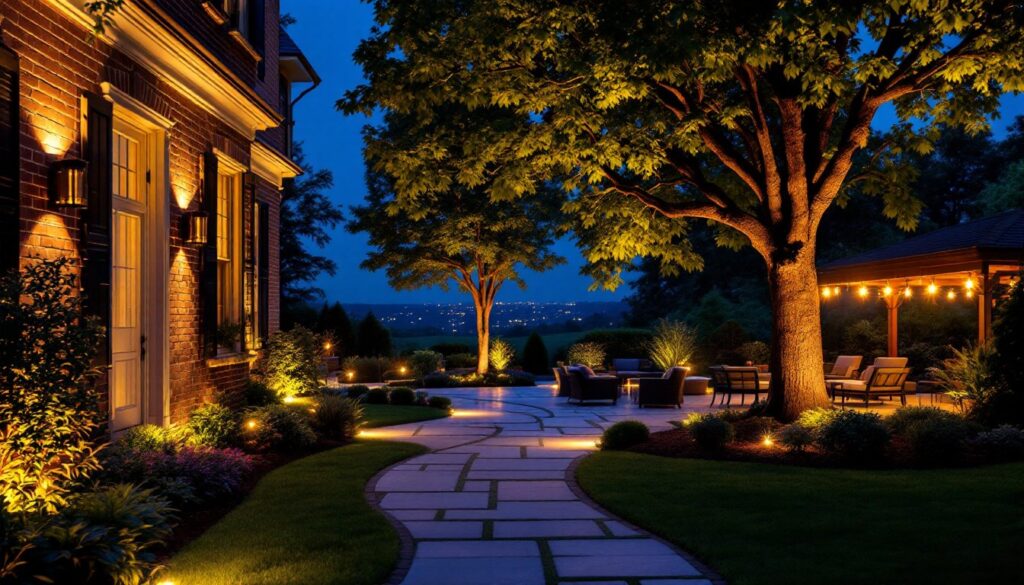
ToggleWhen dusk falls, most yards disappear into darkness, but yours doesn’t have to. The right landscape lighting bulbs transform an ordinary backyard into an inviting nighttime retreat, and the good news is that choosing them isn’t complicated once you know what to look for. Whether you’re illuminating pathways, highlighting architectural features, or creating ambient outdoor living space, selecting the right bulb type, brightness level, and color temperature makes all the difference. This guide walks you through the essentials so you can make informed decisions, avoid costly mistakes, and get professional results without the professional price tag.
Key Takeaways
- LED landscape lighting bulbs consume 75–80% less energy than incandescent options and last 25,000–50,000 hours, making them the most cost-effective choice for outdoor lighting.
- Brightness is measured in lumens, not watts—aim for 100–200 lumens for pathway lighting, 300–500 lumens for spotlighting, and 600+ lumens for broad area illumination.
- Warm white color temperature (2700K) is the most popular choice for residential landscape lighting because it creates an inviting atmosphere and blends naturally with twilight.
- Proper installation requires outdoor-rated IP67/IP68 fixtures, cable buried at least 6 inches deep, and a low-voltage (12V) transformer system for safety and efficiency.
- Regular maintenance—including twice-yearly fixture cleaning, annual connection inspections, and seasonal fixture angle adjustments—extends bulb lifespan and maintains consistent light output.
- Different yard zones require different landscape lighting bulbs: GU10 LEDs for pathways, PAR38 bulbs for tree uplighting, and warm A19 bulbs for ambient patio spaces.
Understanding Landscape Lighting Bulb Types
The bulb you choose determines how long your fixture lasts, how much electricity it consumes, and what kind of light it produces. Three main technologies dominate the landscape lighting market, and each has real strengths and trade-offs.
LED vs. Halogen vs. Incandescent Bulbs
LED bulbs have essentially become the default choice for outdoor lighting, and for good reason. They consume 75–80% less energy than incandescent bulbs, last 25,000–50,000 hours (10+ years for typical residential use), and run cool to the touch. LEDs don’t emit much infrared heat, which means they’re safer around plants and don’t attract insects the way halogen fixtures do. Most modern landscape systems are designed around LED technology, and the upfront cost premium has shrunk considerably in the past few years.
Halogen bulbs deliver warm, crisp light and are excellent for spotlighting and accent work. They last longer than incandescent bulbs (2,000–3,000 hours) but consume significantly more power than LEDs. Halogen bulbs get extremely hot during operation, touch one and you’ll understand why gloves are mandatory, and they’re less efficient overall. If your fixtures were installed before 2015, you might have halogen installed: upgrading to LED versions of those fixtures is usually worth the investment.
Incandescent bulbs are largely obsolete in landscape applications. They’re cheap upfront but burn out quickly (1,000 hours), waste energy as heat, and aren’t worth the replacement hassle. Unless you’re working with a very old fixture and want to avoid replacement costs temporarily, skip these altogether. They also make landscape lighting transform your backyard look yellow and dated rather than elegant.
Key Features to Consider When Selecting Bulbs
Not all landscape bulbs are created equal. The right choice depends on where the light goes and what you want it to do.
Brightness, Color Temperature, and Energy Efficiency
Brightness is measured in lumens, not watts. A common mistake is equating wattage to output, that doesn’t work with LEDs. A 4–6 watt LED might produce 400–500 lumens, equivalent to a 40–50 watt incandescent. For pathway lighting, aim for 100–200 lumens per fixture. For spotlighting trees or architectural features, 300–500 lumens works well. For uplighting or broader area illumination, 600+ lumens may be needed. Check your fixture’s maximum rated wattage and choose bulbs accordingly.
Color temperature is measured in Kelvin (K). Lower numbers (2700K–3000K) produce warm, golden light that’s flattering for residential landscapes and works especially well near seating areas and patios. Neutral white (4000K–5000K) looks more commercial but can highlight plants and architecture crisply. Cool white (6000K+) isn’t common for landscape use unless you want a dramatic, modern aesthetic. Warm white (2700K) is the most popular choice for residential settings because it feels inviting and blends naturally with twilight.
Energy efficiency ties directly to operating cost and environmental impact. LEDs with the ENERGY STAR certification use at least 75% less energy than older halogen or incandescent fixtures. If you’re lighting a large property or running fixtures year-round, the monthly savings add up quickly. Calculate rough costs by dividing total wattage by 1,000 and multiplying by your local kWh rate, then multiply by hours used per month. A 50-watt halogen fixture running 5 hours per night costs roughly $7–$10 per month: a 6-watt LED equivalent costs less than $1. Over a heating season, that difference is substantial.
Installation Tips for Outdoor Lighting Success
Proper installation prevents headaches, safety hazards, and premature failure. Most homeowners can handle this work themselves if they follow a few critical rules.
Start with a plan. Sketch your yard and mark where you want light. Walk the space at dusk to see existing shadows and problem areas. Pathways need subtle, continuous light without harsh glare. Trees and shrubs benefit from uplighting or side-lighting to create depth and drama. Accent lighting on house walls or focal features works best when aimed from below or to the side, never directly at windows.
Use proper outdoor-rated fixtures. Landscape fixtures must be rated for wet, freezing, and UV exposure. IP67 or IP68 ratings indicate full waterproofing (the first digit is dust protection, the second is water). Cheap fixtures corrode fast and fail in winter. Mid-range brands last 5+ years: premium brands last 10+. When installing, bury cable at least 6 inches deep in areas where you might dig later. Use conduit in high-traffic zones.
Install a transformer if needed. Low-voltage systems (12V) are safer and more efficient than line-voltage (120V) for most residential landscapes. Transformers step down household current to 12V, which reduces shock risk and makes DIY installation safer. If you’re not confident working with 120V wiring, hire a licensed electrician for that part, most jurisdictions require an electrician to install or modify line-voltage circuits. After installation, test all connections before burying cable, and use a GFCI outlet (ground fault circuit interrupter) to protect the transformer.
Wear appropriate PPE. Gloves protect hands when handling cable and fixtures. Goggles protect eyes from dirt and debris when digging. If you’re working near existing electrical lines, call your local utility locate service (dial 811 in most US areas) before digging, it’s free and prevents electrocution hazard.
Popular Landscape Bulb Options for Different Areas
Different zones in your yard have different lighting needs, and matching bulbs to purpose extends fixture life and saves money.
Path and step lighting demands low brightness (100–200 lumens) so people can see where they’re walking without harsh shadows or glare. GU10 or MR16 LED bulbs in warm white (2700K) work perfectly here. These are small, directional bulbs that fit standard landscape fixtures. They consume 5–8 watts and last thousands of hours. Install them pointing slightly downward so light falls on the path without spilling into neighboring yards.
Tree and shrub uplighting is dramatic when done right. Aim a fixture at the trunk from 3–4 feet away, angled slightly upward, to graze light across the canopy. Use PAR38 or PAR30 LED bulbs rated 400–600 lumens in warm white. These are larger, more robust bulbs designed for outdoor spotting work. They handle wind, temperature swings, and repeated on-off cycling better than smaller bulbs.
Wall washing and architectural lighting highlights the home itself. Mount fixtures low (2–3 feet high) and angle them slightly upward to wash light across brick, stone, or siding. PAR20 LED bulbs (300–400 lumens) work well here. Avoid placing fixtures directly in sight lines, graze light across surfaces rather than spotting them like a nightclub.
Ambient patio lighting should feel warm and welcoming. String lights, lanterns, or ceiling-mounted fixtures work best. If using bulbs, choose warm white (2700K) A19 or similar shape bulbs rated 400–600 lumens. These mimic traditional incandescent bulbs that people expect in social spaces. Outdoor lighting ideas transform patios into genuine outdoor rooms when bulb color and brightness match the function.
Driveway and entry lighting needs good visibility without glare. 100–300 lumen bulbs in neutral white (4000K) work here because security and visibility matter more than ambiance. Recessed step lights or wall-mounted fixtures flanking the door keep the entryway safe and welcoming.
Maintenance and Longevity: Getting the Most From Your Investment
Landscape bulbs don’t last forever, but smart maintenance extends their lifespan and keeps light output consistent.
Clean fixtures twice per year. Dust, pollen, and insect debris accumulate on lenses and reflectors, reducing light output by 20–30% over time. Use a soft cloth and mild soap solution. Never use abrasive cleaners or pressure washers, both damage optical coatings. For brass or copper fixtures, a gentle brass cleaner restores appearance without harming seals.
Check connections annually. Corrosion at cable connections is the most common failure point. If a fixture stops working, first check that the transformer is powered and the circuit isn’t tripped. Then inspect the connection where the fixture wire meets the main cable. Oxidation looks like white or blue-green powder. Clean it off with a small wire brush and apply a corrosion-inhibiting grease (like silicone dielectric grease) before reconnecting.
Replace bulbs as they dim. LEDs don’t fail abruptly like incandescent bulbs: they fade gradually. When light output drops noticeably (usually after 30,000–50,000 hours), replace the bulb. Modern LED bulbs are inexpensive enough that preventive replacement isn’t wasteful, a failed fixture ruins a planned outdoor gathering more than a replaced-early bulb costs.
Protect cable in freeze-thaw zones. In cold climates, cable expands and contracts with temperature swings. Slack in the cable absorbs movement: over-tight cable can crack internally over time. Leave a few inches of slack at connections and bury cable below the frost line for your region. In harsh climates, consider upgrading to armored cable, it costs more but resists cracking and abrasion far better than standard landscape cable.
Plan for seasonal adjustments. Growth in trees and shrubs changes lighting angles year to year. Summer foliage blocks uplight that looked perfect in spring. Reset fixture angles in late spring after growth stabilizes and again in fall after deciduous trees drop leaves. This simple habit keeps the landscape looking polished and prevents fixtures from pointing at the wrong targets.