Table of Contents
ToggleIf you’re planning a lighting upgrade, Halo LED recessed lighting sits at the intersection of practicality and modern design. Whether you’re refreshing a kitchen, brightening a living room, or outfitting a new space, recessed lights offer clean aesthetics without bulky fixtures cluttering your ceiling. Halo, a trusted name in the industry, has built a reputation for durable, energy-efficient models that work well in new construction and retrofit applications. This guide walks you through what Halo LED recessed lights are, why they matter for your home, how to install them, and which styles work best in different rooms.
Key Takeaways
- Halo LED recessed lighting provides a clean, flush-mounted aesthetic while using 75–80% less energy than incandescent bulbs, resulting in significant long-term cost savings and lower utility bills.
- LED fixtures are rated for 25,000 to 50,000 hours of operation (23–46 years at typical use), eliminating the need for frequent bulb replacements and minimizing maintenance.
- Proper installation requires choosing IC-rated housings if your ceiling has insulation, spacing fixtures 4–6 feet apart for general illumination, and hiring a licensed electrician if electrical work is beyond your skill level.
- Halo LED recessed lights excel in kitchens with 3000–4000K color temperature and baffle trim for shadow-free task lighting, and in bathrooms with moisture-rated fixtures positioned symmetrically around vanity mirrors.
- Dimmable Halo models with smart-home compatibility allow hands-free brightness and color adjustments, though dimmer compatibility should be confirmed before purchase to ensure smooth operation.
What Is Halo LED Recessed Lighting?
Halo LED recessed lights are flush-mounted ceiling fixtures that sit inside a housing cavity, with only the trim ring and lens visible from below. Unlike surface-mounted or pendant fixtures, recessed lights create a clean, streamlined look because the bulk of the fixture sits above the drywall.
The typical Halo recessed light assembly includes three main parts: the housing (installed between joists or studs), the trim ring (the visible edge that sits on the drywall), and the LED module or bulb. Most modern Halo units use integrated LED technology, meaning the light source is built into the fixture rather than using a replaceable bulb. This sealed design protects the LED from dust and moisture, which is why these fixtures work well in kitchens, bathrooms, and covered outdoor areas.
Halo fixtures come in several trim styles: baffle (deep, non-reflective interior to reduce glare), reflector (smooth, shiny finish for broader light spread), and adjustable gimbal (swivel head for directional lighting). Trim diameters typically range from 4 to 6 inches, with color temperatures between 2700K (warm white) and 5000K (cool daylight). When shopping, you’ll also encounter IC (insulation contact) and non-IC ratings, IC-rated housings can sit safely in direct contact with insulation, while non-IC units need a 3-inch clearance from insulation. This distinction matters if your ceiling has blown-in or batting insulation.
Key Benefits of Choosing Halo LED Recessed Lights for Your Home
Energy Efficiency and Cost Savings
LED technology uses 75–80% less energy than incandescent bulbs and roughly 25–30% less than CFL bulbs, translating directly to lower utility bills. A typical 4-inch Halo LED recessed light draws around 7–10 watts per fixture, compare that to a 60-watt incandescent recessed light, and the difference adds up fast, especially if you install multiple fixtures.
Energy Star–certified Halo models qualify for some regional utility rebates, so check your local electric company’s incentive programs before purchasing. Over a 25-year lifespan (the typical rated life of a quality LED), the cumulative savings on electricity and replacement costs can justify the higher upfront price of LED fixtures versus older halogen or incandescent models.
Also, LEDs generate less heat than traditional sources. This reduces your cooling load in summer and means you can install them in tight spaces or near insulation without overheating concerns, provided you choose an IC-rated housing if insulation is present.
Longevity and Low Maintenance
Halo LED recessed lights are rated for 25,000 to 50,000 hours of operation. At 3 hours per day, that’s 23–46 years before needing replacement. Unlike incandescent or halogen bulbs, which degrade gradually, LEDs maintain consistent brightness throughout their lifespan and then fail abruptly, so you won’t find yourself slowly replacing individual fixtures one by one.
Maintenance is minimal: wipe the trim ring and lens occasionally with a dry cloth to prevent dust buildup. The sealed LED module doesn’t require cleaning or adjustment. Since the light source is integrated, you’ll never fumble with replacing a recessed light bulb in a tight ceiling space, a task that frustrates many homeowners. This sealed design also means the fixture is protected from water vapor in bathrooms, making Halo lights a smart choice for wet environments when properly rated for damp or wet locations.
Installation Essentials: What You Need to Know
Planning and Preparation
Before you purchase, measure your ceiling cavity depth and available joist spacing. Standard new-construction housings require a gap of at least 16 inches between joists (center-to-center): retrofit kits work in tighter spaces because they clamp to drywall rather than nailing to framing. If your ceiling has insulation, confirm it’s an IC-rated housing, most Halo models come in both IC and non-IC versions, and the wrong choice can void the warranty or create a fire hazard.
Wiring runs from your existing circuit to each fixture. Plan your layout first: mark fixture positions on the ceiling using chalk or masking tape, measuring out spacing so light pools evenly and avoids dark corners. A common rule is to space recessed lights 4–6 feet apart for general illumination, or closer (2–3 feet) for task lighting over a kitchen counter.
Rough-In and Installation Steps
- Turn off power at the breaker and confirm the circuit is dead with a voltage tester.
- Cut ceiling holes using a drywall saw or hole saw matched to your fixture trim diameter (typically 4, 5, or 6 inches).
- Run electrical wire (usually 14/2 or 12/2 NM cable, depending on circuit amperage) from the breaker panel, through the joist cavity, and to each fixture location. Use Romex clamps every 4.5 feet and within 12 inches of boxes.
- Install the housing by securing it to the joists with nails or brackets, ensuring it sits flush or slightly above the ceiling plane so drywall sits level.
- Strip the wire, connect it to the fixture’s terminal block or wire connector, and secure the fixture to the housing.
- Install the trim ring and lens from below after drywall is finished and painted.
Safety note: Recessed lighting installation involves working above your head with electricity. If you’re uncomfortable cutting into ceiling cavities, running new circuits, or making electrical connections, hire a licensed electrician. Depending on your jurisdiction, new wiring may require a permit and inspection.
Tools and Materials You’ll Need
- Drywall saw or hole saw (4–6 inch, matching your trim diameter)
- Voltage tester and flashlight
- Cordless drill or driver
- Wire strippers and lineman’s pliers
- NM cable (14/2 or 12/2, as applicable)
- Wire connectors and electrical tape
- Halo housings, trim rings, and LED modules
- Ear protection and safety goggles (for cutting drywall)
Alternative approach: If running new circuits feels beyond your skill, you can often retrofit Halo lights into existing downlight housings (if they’re the same size and type), provided the housing is still sound and the wiring is accessible.
Design and Style Considerations for Different Rooms
Kitchen and Task Areas
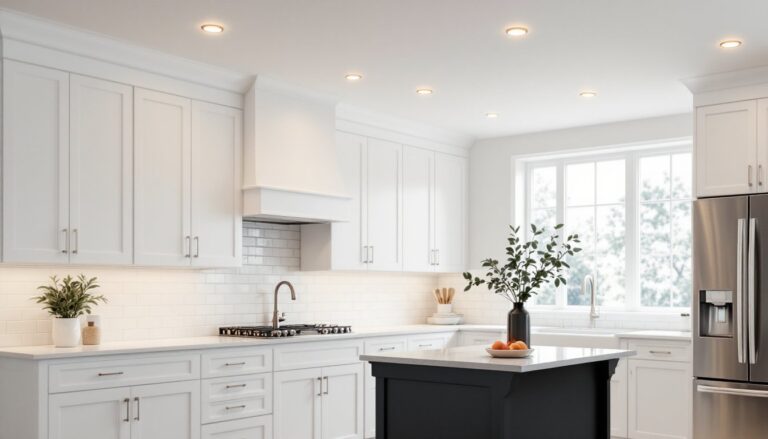
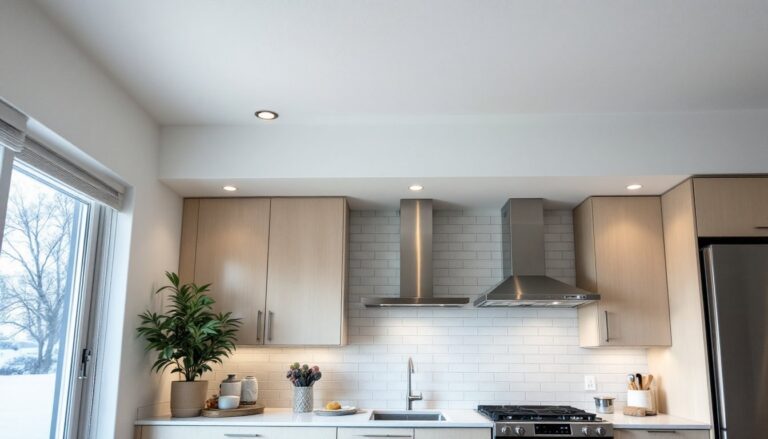
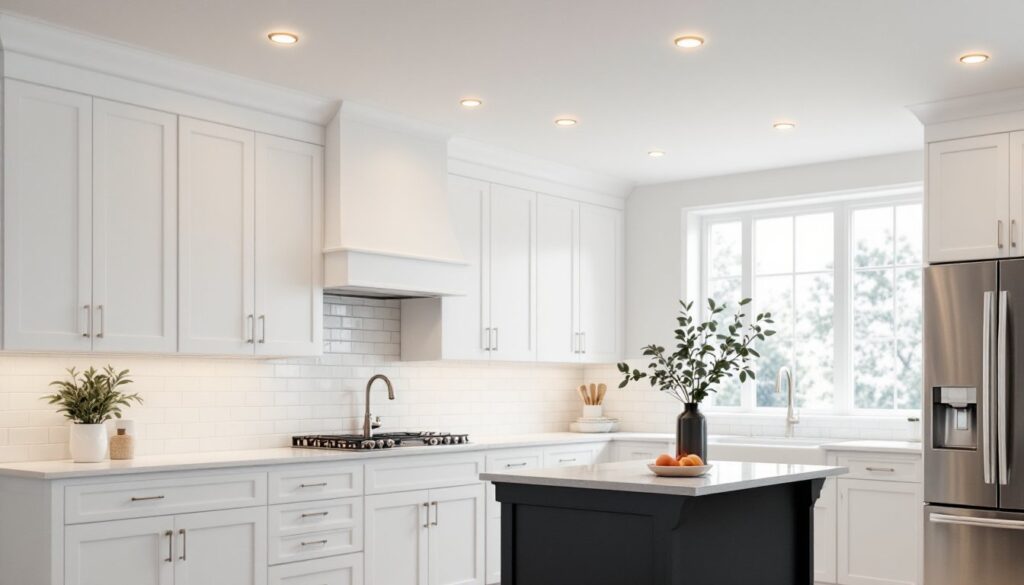
Kitchens benefit most from recessed lighting because it provides shadow-free task lighting without hanging pendants or track fixtures that can visually clutter a modern kitchen. Space recessed lights in a grid pattern roughly 4 feet apart above counter work surfaces and 2–3 feet apart over islands. Use 3000–4000K color temperature (warm to neutral white) to render food colors accurately and create an inviting atmosphere.
Baffle trim works well here because it reduces glare on shiny countertops and appliances. Pair recessed lights with under-cabinet LED strips for layered illumination that feels functional and polished. According to recessed lighting buying guides, homeowners who combine overhead recessed lights with task lighting report better visibility and fewer shadows during food prep.
Bathrooms
Bathrooms require moisture-rated fixtures. Halo offers damp-location and wet-location models: use wet-location in shower enclosures and damp-location everywhere else. Position lights symmetrically around the vanity mirror, roughly 24–30 inches apart, with color temperature around 3000–4000K to provide flattering, shadow-free mirror lighting.
Baffle trim helps minimize harsh glare when you’re looking up at the ceiling after washing your face. The sealed LED design of Halo recessed lights makes them ideal for humid bathrooms because moisture won’t corrode the electrical components or degrade the light output over time.
Living Rooms and Bedrooms
For ambient lighting in living spaces, use 2700K color temperature for a warm, relaxing feel. Space lights 4–6 feet apart to create even illumination without creating a “grid” effect that feels institutional. Reflector trim spreads light more broadly than baffle trim, making it a better choice for general room lighting rather than accent lighting.
Consider dimmable Halo LED fixtures paired with a compatible dimmer switch, many homeowners don’t realize that not all LED lights dim smoothly, so confirm dimmer compatibility before purchase. Dimmable fixtures let you adjust mood lighting in the evening without installing separate switches. Reviews on digital technology sites increasingly praise smart-compatible recessed lights that integrate with voice assistants and smartphone controls, allowing hands-free dimming and color adjustments in newer Halo models.
Hallways and Accent Areas
In hallways, space recessed lights 3–4 feet apart for consistent, even coverage. Tighter spacing prevents dark zones between fixtures. Adjustable gimbal trim (swivel-head fixtures) works well for accent lighting, angling them toward artwork, shelving, or architectural details creates visual interest without dedicated track lighting.
Many homeowners overlook recessed lighting in hallways and entryways, but they’re ideal retrofit candidates because they simplify wiring (a single line of fixtures) and avoid the safety hazard of hanging pendant lights in a narrow space.
Conclusion
Halo LED recessed lighting delivers a modern, energy-efficient solution that works across nearly every room in your home. The upfront cost is higher than older halogen or incandescent recessed lights, but the long lifespan, minimal maintenance, and lower electricity bills justify the investment. Start by planning your layout carefully, choosing the right housing type (IC vs. non-IC) and trim style for each space, and don’t hesitate to call an electrician if the wiring work feels beyond your comfort zone. With proper installation and fixture selection, your Halo recessed lights will provide reliable, attractive illumination for decades. For more detailed guidance on recessed lighting options and housing specifications, consult manufacturer datasheets and local building codes specific to your region.