Table of Contents
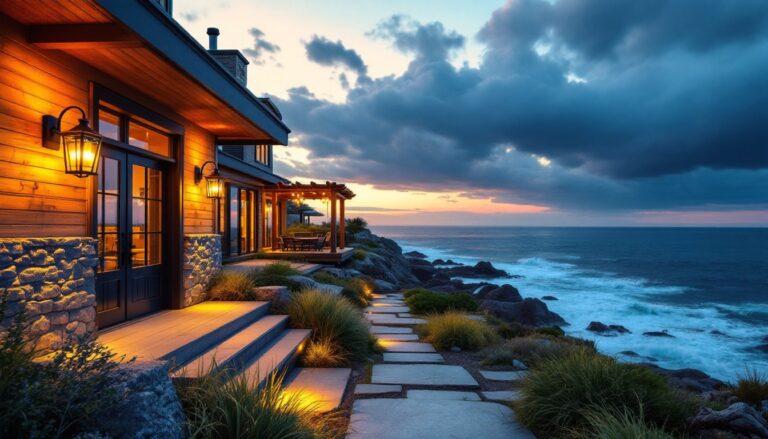
ToggleMiami’s tropical climate and year-round warmth make outdoor living an essential part of homeownership. But when the sun sets, an unlit backyard becomes wasted potential. Landscape lighting in Miami transforms your property after dark, enhancing curb appeal, creating ambiance, and improving security. Whether you’re a DIY enthusiast ready to tackle installation or simply exploring options, this guide covers everything you need to know about landscape lighting, from selecting fixtures suited to Miami’s humidity and salt air to planning a design that works with your home’s architecture and landscaping.
Key Takeaways
- Landscape lighting in Miami enhances curb appeal, security, and property value while allowing you to enjoy outdoor spaces year-round, making it an essential investment for homeowners.
- Choose corrosion-resistant fixtures made from cast brass, stainless steel, or powder-coated aluminum rated for coastal zones, as Miami’s salt spray and humidity rapidly corrode standard outdoor materials.
- LED fixtures are the ideal choice for Miami, offering 25,000+ hours of runtime, better heat tolerance, lower energy consumption, and superior performance compared to incandescent bulbs.
- Design your landscape lighting with three distinct zones—entry/security (500–1000 lumens), ambient landscape (100–300 lumens), and accent lighting (50–150 lumens)—for balanced, safe illumination.
- Low-voltage 12V systems are safer, more practical, and easier to install for most Miami homeowners than line-voltage options, which require licensed electrician installation and building permits.
- Maintain your landscape lighting every 6 months by inspecting for corrosion, rinsing fixtures after salt spray events, and ensuring water-tight connections to protect your investment in Miami’s humid, coastal environment.
Why Landscape Lighting Matters For Miami Homeowners
A dark yard is a missed opportunity. Landscape lighting serves three essential functions: safety, aesthetics, and property value. Illuminating walkways, patios, and stairs prevents tripping hazards and deters unwanted visitors. From an aesthetic standpoint, well-placed lights highlight architectural features, mature trees, and landscaping investments you’ve worked hard to cultivate.
Miami’s climate adds a specific consideration. Coastal humidity and salt spray corrode standard outdoor fixtures rapidly. Investing in properly rated, corrosion-resistant lighting materials upfront saves money and frustration later. According to design-focused publications like Southern Living, outdoor spaces properly lit create the perception of expanded living areas, and Miami homeowners consistently report that landscape lighting makes their properties feel larger and more inviting after sunset. Beyond the wallet, lit landscapes increase home values and allow you to actually enjoy your outdoor space 12 months a year.
Types Of Landscape Lighting For Miami Homes
Path And Accent Lighting Options
Path lighting uses low-level fixtures (typically 4 to 12 inches tall) placed along walkways, driveways, and garden borders. These use 2 to 5 watts of LED power on average, consuming minimal electricity while providing safe footing. Accent lighting highlights specific features, a specimen tree, stone wall, or shrub, using directional spotlights or uplights positioned 3 to 6 feet away.
For Miami’s salty environment, look for cast brass, stainless steel, or powder-coated aluminum fixtures rated for coastal zones. Plastic and untreated iron rust quickly. LED versions run cooler, last 25,000+ hours (roughly 3 years of nightly use), and handle Miami’s heat better than older incandescent bulbs that generate excess warmth and attract insects. Professional-grade outdoor lighting ideas often combine path and accent fixtures for layered, balanced illumination.
Uplighting And Spotlighting Techniques
Uplighting places a fixture at ground level pointing upward to graze tree trunks, building facades, or landscape features with dramatic shadow play. This technique works especially well in Miami where mature oak and palm trees create visual anchors. Position uplights 2 to 3 feet from the base and angle them to avoid glare toward windows or neighboring properties.
Spotlighting uses focused beams (typically 30 to 60 degrees) to highlight architectural details or focal points from a greater distance. A spot fixture with adjustable opacity (often with a louver or shield) prevents light pollution and protects nighttime visibility. Consider color temperature: warm white (2700K) suits tropical plants and patio areas, while cool white (4000K or higher) works for security and accent roles. Outdoor track lighting solutions offer adjustable positioning, useful when mature trees grow or your design preferences shift.
Planning Your Miami Landscape Lighting Design
Start with a sketch or photograph of your property. Mark key features, entryways, mature trees, patios, water features, and problem spots (dark walkways, blind corners). This is your base map. Next, define your lighting zones: entry and security lighting (bright, 500–1000 lumens), ambient landscape lighting (100–300 lumens), and accent lighting (50–150 lumens). Miami’s humid air and salt spray require strategic placement: fixtures exposed to ocean winds age faster, so prioritize durable materials for prominent fixtures and reserve less expensive options for sheltered areas.
Voltage matters. Low-voltage systems (12V) are safer for DIY installation, use less power, and reduce shock risk if wiring is accidentally cut. Line-voltage systems (120V) require licensed electrician installation and a permit in most Florida jurisdictions, check with your local building department. For most residential Miami properties, low-voltage is the practical choice. Plan for a transformer (typically 60–300 watts depending on fixture count) mounted near the main power source, with buried or concealed cable running to fixtures.
Design tip: avoid over-lighting. A common mistake is installing too many fixtures, which creates harsh shadows and washes out landscape features. Three well-placed lights often achieve better results than eight poorly positioned ones. Lighting secrets from professional designers emphasize balance: bright enough to feel safe and highlight features, dim enough to preserve the natural sense of a Miami evening.
Installation Tips And Best Practices
Gather materials: low-voltage fixtures, transformer, 12-gauge outdoor-rated wire (direct-burial cable if burying), wire connectors rated for outdoor use, and a voltage tester. Safety equipment: wear gloves, goggles, and use a voltage tester before touching any wiring, this prevents accidental shock even on low-voltage systems.
Steps for a typical low-voltage installation:
- Turn off the power at the main breaker. Mount the transformer on a dedicated outdoor outlet (GFCI-protected, required by National Electrical Code) near power sources to minimize wire runs.
- Stake fixture locations loosely: step back and review at dusk to confirm spacing and angles before final placement.
- Bury cable 6 to 8 inches deep along the perimeter of planting beds or walkways. In sandy Miami soil, a trenching tool or flat spade digs quickly. Avoid placing cable under driveways or high-traffic areas where ground settling or foot traffic might crush it.
- Connect fixtures to cable using outdoor-rated connectors. Water-tight splice connectors are mandatory: never use standard wire nuts outdoors, moisture corrodes connections and creates fire hazards.
- Test all fixtures before final adjustments. Use the voltage tester to confirm the transformer is delivering 12V at the farthest fixture.
Permits and professionals: If your property requires a dedicated circuit, a licensed electrician must handle the work (required in Florida for 120V outdoor circuits). Low-voltage systems typically don’t need permits, but check your local code. Salt-air environments like Miami beaches may have additional requirements for corrosion resistance. Resources like Hunker offer detailed electrical guides, but when in doubt, hire a pro, the cost of a few hours’ labor beats the cost of electrical fires or code violations.
Maintenance And Seasonal Considerations For Miami’s Climate
Miami’s humidity, salt spray, and intense summer heat demand proactive maintenance. Every 6 months, inspect fixtures for corrosion, debris buildup, and lens cloudiness. Brass and stainless steel fixtures develop a patina but remain functional: wipe them with a soft cloth and mild soap. If corrosion appears on underside connections, apply a thin coat of dielectric grease (used in electrical connections) to prevent oxidation.
LED bulbs last far longer than incandescent, but check them seasonally. After heavy rain or salt spray events, rinse fixtures with fresh water to prevent mineral and salt accumulation that dims light output. Trim back growing plants around fixtures to ensure unobstructed light and airflow, healthy spacing also reduces moisture pockets where corrosion thrives.
Winter storms are rare in Miami, but summer thunderstorms are routine. Ensure all outdoor wiring is surge-protected and all connections are water-tight. A whole-home surge protector or a dedicated outdoor surge arrestor on the transformer minimizes damage from nearby lightning strikes. Pro trade lighting practices in humid coastal regions emphasize grounding: confirm that your transformer and all fixtures are properly grounded per electrical code, this protects against electrical faults.
Schedule annual checks in spring (pre-summer) and fall (before winter humidity spikes). Replace corroded bulbs, tighten loose connections, and reposition fixtures affected by landscape growth or settling. If you’re uncomfortable climbing ladders or testing circuits, hire a licensed electrician for annual inspection, a $150–250 service call now prevents costly damage or injury later. Garden design inspiration from sources like Gardenista reminds us that outdoor spaces are investments: proper maintenance preserves both safety and aesthetics year-round.
<h2 id="” data-id=””>Conclusion
Landscape lighting in Miami transforms your outdoor space from a dark void into an inviting, secure, and beautifully illuminated extension of your home. By choosing corrosion-resistant fixtures, planning zones thoughtfully, and following proper installation and maintenance practices, you’ll enjoy a well-lit landscape that enhances curb appeal and property value for years to come. Start small, test your design, and expand incrementally, this approach lets you refine your preferences without overwhelming your budget or electrical system. Your Miami backyard deserves to shine.