Table of Contents
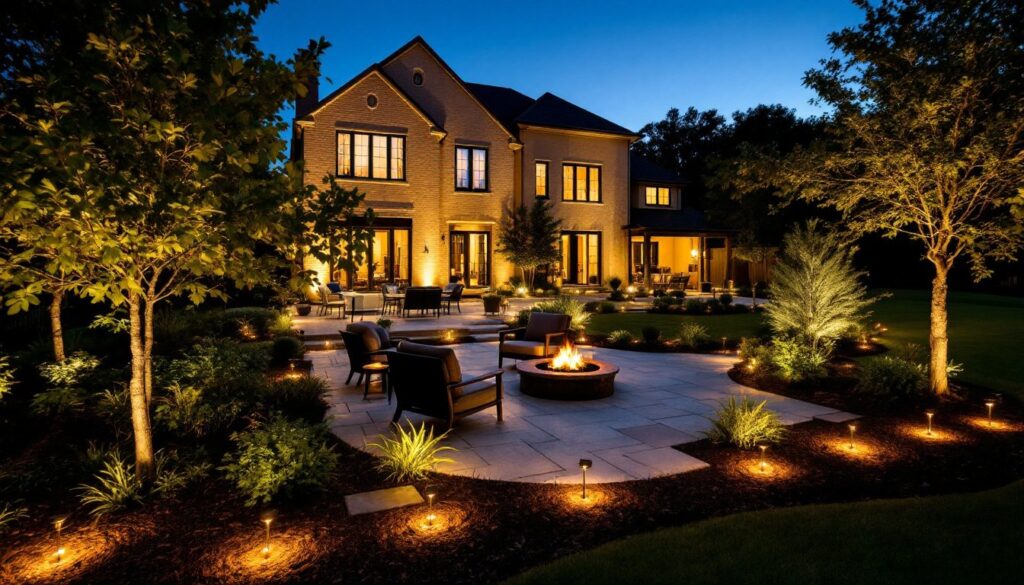
ToggleHouston’s outdoor spaces deserve more than daylight hours. When evening falls, most yards fade into darkness, but they don’t have to. Landscape lighting transforms backyards into functional, beautiful retreats that extend your living space well into the night. Whether you’re looking to highlight architectural features, improve safety along pathways, or create ambiance for entertaining, the right landscape lighting solution makes all the difference. This guide walks you through planning, selecting, and installing landscape lighting specifically suited to Houston’s climate and lifestyle, with practical advice for DIY projects and professional considerations where they matter.
Key Takeaways
- Landscape lighting Houston transforms outdoor spaces into functional, beautiful retreats that enhance safety, usability, and curb appeal while extending your home’s livable space into evening hours.
- Low-voltage landscape lighting systems are beginner-friendly DIY projects that use a 12V or 24V transformer and shallow cable burial, making them affordable and accessible for most homeowners.
- Houston’s humid subtropical climate requires weather-rated components and proper maintenance—including quarterly fixture cleaning and yearly connection checks—to ensure outdoor lighting durability against heat and moisture.
- Well-designed landscape lighting improves safety along pathways and entry points while providing functional illumination for entertaining and outdoor activities without wasting energy or disrupting neighbors.
- For line-voltage, hardwired, or complex installations, hire a licensed electrician; Houston requires electrical permits for permanent outdoor lighting, and code compliance prevents fires, shocks, and equipment failure.
- Smart controllers and LED upgrades offer cost-effective ways to enhance your landscape lighting system with app control, color options, and improved brightness while maintaining efficiency.
Why Landscape Lighting Matters For Your Houston Home
Landscape lighting serves three essential purposes: safety, functionality, and aesthetics. On the safety front, well-lit pathways, driveways, and entry points reduce trip hazards and deter intruders. Functional lighting makes outdoor spaces usable after dark, think entertaining on your patio, cooking at a grill, or navigating steps without guessing where your feet land.
Aesthetically, landscape lighting transforms your home’s curb appeal. A well-lit facade, illuminated trees, and accent lighting on plantings create visual interest that elevates your property value and makes evening gatherings more inviting. In Houston’s humid subtropical climate, outdoor spaces are used year-round, so outdoor lighting extends your home’s livable footprint beyond daylight hours.
Houston’s heat and seasonal storms also affect outdoor lighting durability, fixtures must withstand high humidity, intense UV exposure, and occasional weather stress. Choosing weather-rated components and proper installation practices ensures your system lasts.
Types Of Landscape Lighting Solutions For Texas Climates
Landscape lighting options vary in power source, fixture type, and installation complexity. Understanding the main categories helps you match solutions to your needs and budget.
Low-Voltage Systems (12V or 24V) are the most common DIY choice. A transformer steps down standard 110V household current to safer, lower voltage. Wiring runs along surfaces or buried shallow, reducing shock risk and making installation straightforward. Low-voltage lights are affordable and widely available.
Line-Voltage Systems (standard 110V) deliver brighter output and span greater distances without significant voltage drop. They’re ideal for large properties or areas requiring intense illumination (like security lighting). Installation requires burying conduit and running weatherproof wiring, often necessitating a licensed electrician and permits, especially in Houston, where electrical codes are enforced.
Hardwired Landscape Lights are permanent installations integrated into your home’s electrical panel. They’re the most reliable long-term option but demand professional installation and permitting. Most Houston municipalities require permits for permanent outdoor electrical work.
Portable and Battery-Powered Lights offer no-commitment flexibility. Stake lights, string lights, and rechargeable fixtures work where permanent installation isn’t feasible. They’re perfect for testing layouts before committing to buried wiring.
Planning Your Landscape Lighting Design
Good design starts with a plan, not guesswork. A poorly lit yard is unsafe and unflattering: an over-lit yard wastes energy and disrupts the neighborhood. The key is intentional placement.
Installation Tips For DIY Houston Homeowners
Low-voltage landscape lighting is one of the most beginner-friendly outdoor electrical projects. A standard 600W transformer, pre-assembled cable, and stake lights can be installed in an afternoon.
Materials You’ll Need:
- Low-voltage transformer (600W typical for residential: check wattage of your fixtures)
- 12 or 14 AWG outdoor-rated low-voltage cable (twin-conductor)
- Landscape light fixtures (your choice of style and wattage)
- Connector clamps or splice connectors rated for outdoor use
- Landscape spikes or mounting hardware
- Wire connectors and electrical tape (outdoor-rated)
Tools Required:
- Screwdrivers (Phillips and flathead)
- Wire strippers
- Voltage tester (basic multi-meter, $20–$40)
- Shovel (if burying cable)
- Utility knife
- Work gloves
Basic Steps:
-
Position the transformer near an accessible outdoor outlet (GFCI-protected outlet mandatory in Houston, per NEC code). Keep it under an eave or in a weatherproof enclosure to protect from rain.
-
Run cable to your first light fixture, either on the surface (secured with clips along house edge) or buried 4–6 inches deep in a shallow trench. Burying hides cable and protects it from weather and foot traffic, but surface runs are faster and easier to modify later.
-
Attach cable to the transformer using the terminal clamps provided. Ensure connections are tight: loose connections generate heat and fail prematurely.
-
Connect fixtures in series (daisy-chain style). Most low-voltage lights use simple snap or screw connectors, no special tools needed. Run continuous cable from fixture to fixture, or use weatherproof splice connectors if joining new lengths.
-
Test before finishing. Turn on the transformer and check that all lights illuminate at expected brightness. A basic voltage tester confirms current flow and identifies disconnects.
-
Secure cable and fixtures. Bury cable (if desired), stake lights firmly into soil, and ensure no exposed connectors sit in standing water or mulch.
Safety First: Wear work gloves, avoid digging near marked utility lines, and always use a GFCI-protected outlet for the transformer connection. Low voltage is safe to touch, but the transformer itself carries 110V and requires proper grounding.
For line-voltage installations, hardwired systems, or burial in extensively landscaped areas, hire a licensed electrician. Houston requires electrical permits for permanent outdoor lighting, and code inspections are mandatory before energizing the system. It’s not just red tape, proper installation prevents fires, shocks, and equipment failure.
Many outdoor lighting companies Houston area professionals can handle design and installation if DIY feels overwhelming.
Maintaining And Upgrading Your Outdoor Lighting
Landscape lighting requires minimal maintenance, but Houston’s heat and humidity demand periodic checks.
Routine Maintenance:
- Clean fixtures quarterly. Dust, pollen, and insect debris reduce light output. A soft brush and damp cloth refresh acrylic or polycarbonate covers.
- Check connections yearly. Corrosion and loose clamps are common in humid climates. Tighten any loose terminal screws on the transformer and fixture connectors.
- Inspect for water intrusion. If a fixture stops working, it likely has moisture inside. Replace the gasket or seal, or swap in a new fixture.
- Trim overgrown plants. Trees and shrubs grow fast in Texas: branches blocking uplights reduce effect and shade pathways.
- Test the transformer. A basic continuity check (using a voltage tester or multi-meter) confirms it’s still functioning. If output is weak, the transformer may be failing.
Common Upgrades:
- Swap to smart controllers. New low-voltage transformers with Wi-Fi and app control let you adjust brightness, color (on RGB models), and schedules from your phone.
- Add accent colors. RGB landscape lights offer dynamic color options, purple for Halloween, red and green for holidays, or custom blends for entertaining.
- Increase coverage. As your landscape matures, you may need more fixtures. Extending a low-voltage circuit requires only additional cable and connectors.
- Upgrade to brighter LEDs. Newer LED fixtures are more efficient and brighter than older incandescent-style LEDs. Swapping bulbs is often a simple fixture upgrade.
Research home improvement resources for cost estimates, contractor referrals, and project guidance. Your investment in landscape lighting pays dividends in safety, usability, and curb appeal, and it’s one of the few outdoor projects you can tackle yourself with confidence and modest tools.