Table of Contents
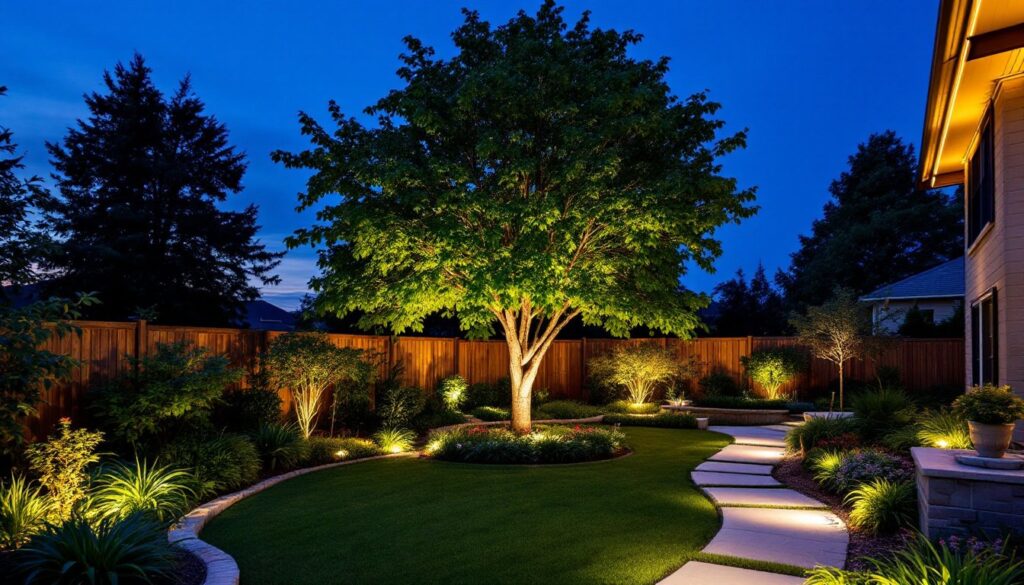
ToggleWhen the sun sets, most yards disappear into darkness, but they don’t have to. Aurora landscape lighting transforms ordinary outdoor spaces into dramatic, inviting environments that showcase landscaping, improve safety, and extend your evenings outside. Unlike basic porch lights, aurora lighting systems create depth, dimension, and visual interest by layering different light sources and colors. Whether you’re looking to highlight architectural features, accentuate plantings, or simply see your pathways safely, understanding aurora lighting options and installation basics puts you in control of transforming your backyard into something genuinely special.
Key Takeaways
- Aurora landscape lighting creates depth and visual interest by layering different light sources and colors, transforming ordinary yards into dramatic outdoor spaces that enhance curb appeal and safety.
- LED strip lighting and accent fixtures are the core components of aurora systems, with warm white (2700K–3000K) best for trees and foliage, while cool tones suit modern architecture and water features.
- Proper planning before installation is essential—sketch your property, identify focal points and hazard zones, and use a 24-volt transformer with low-voltage wire for safe DIY setup that requires no permits.
- LED fixtures last 15–25 years with minimal maintenance; the most common issues stem from corroded connections and debris buildup, which are easily resolved with regular seasonal cleaning and inspection.
- Smart color-changing systems offer app and voice control for $300–$600, but simpler remote-control options ($150–$250) provide a practical middle ground without WiFi dependencies.
What Is Aurora Landscape Lighting and Why It Matters
Aurora landscape lighting refers to a layered, multicolor outdoor lighting system that uses strategically placed fixtures to illuminate and accent garden beds, walkways, architectural elements, and trees. The term often evokes the soft, shifting colors of the aurora borealis, though aurora systems typically let you dial in specific hues rather than rely on nature’s whims.
This matters because good landscape lighting serves multiple functions at once. It enhances curb appeal and property value, dramatically improves safety by eliminating dark spots on walkways and driveways, and creates mood and ambiance for evening entertaining. Unlike a single floodlight bolted to your garage, aurora systems use uplighting, downlighting, and accent fixtures positioned at varying angles to create visual hierarchy and prevent the flat, washed-out look of generic yard lighting.
When you invest in Landscape Lighting: Transform Your Backyard into a Magical Nighttime Oasis, you’re really buying control, control over which features shine and which recede into shadow, control over color temperature, and with modern smart systems, control over scheduling and automation. That control is what separates a $200 DIY project that looks like a gas station from one that feels intentional and polished.
Types of Aurora Lighting Systems for Your Landscape
Aurora lighting systems come in several flavors, each with distinct advantages and installation complexity.
LED Strip and Accent Lighting
LED strip lighting is the workhorse of aurora systems. These thin, flexible strips mount under eaves, along fence tops, or beneath planted beds to wash walls or foliage with light. LED strips are energy-efficient, run cool, and come in warm white (2700K–3000K), cool white (5000K–6500K), or full RGB (red, green, blue) color options.
Accent lighting, typically compact spotlights or well lights, targets specific features: a specimen tree, a water feature, or architectural stonework. Mount these 18–36 inches from the subject and angle them to graze surfaces rather than illuminate them head-on: this creates drama and texture. Warm white works for trees and foliage: cooler tones suit modern architecture and water features. Outdoor Lighting Ideas: Transform Your Space into a Nighttime Oasis covers the foundational principles.
Most DIY aurora kits ship with pre-wired lengths and connectors, making installation straightforward, usually outdoor-rated wire in conduit or along trim, connected to a 24-volt transformer (step-down from household 120V for safety). Always use a GFCI-protected outlet for the transformer to prevent shock hazards.
Smart Color-Changing Systems
Smart systems layer app or voice control over basic LED lighting, allowing you to change colors, brightness, and schedules from your phone. Popular ecosystems (Philips Hue, LIFX, Nanoleaf) integrate with Alexa or Google Home, letting you sync lights to music, set scenes (“movie night” = soft amber, “party” = vibrant RGB), or automate sunset-to-sunrise activation.
The trade-off: smart systems cost 2–3× more than dumb LED strips, require WiFi or a wireless hub, and depend on apps that manufacturers may discontinue. For a DIYer, a mid-range smart system ($300–$600 installed) is often the sweet spot, complex enough to feel special, simple enough to troubleshoot without an electrician. Simpler color-changing systems with remote controls (no app, no WiFi) run $150–$250 and offer a practical middle ground, offering flexibility for upgrading later while avoiding the complexity of cloud-dependent ecosystems.
How to Plan and Install Aurora Landscape Lighting
Before you buy a single fixture, spend an evening walking your property at dusk and noting what catches your eye, the tree line, a pathway edge, a raised bed, architectural siding. These are your focal points. Now note the darker areas that concern you: unmapped steps, a blind spot near the driveway, a gap between the house and the street.
Planning basics:
- Sketch your property on paper and mark focal points and hazard zones.
- Identify where you’ll hide the transformer (usually near the main electrical box, or in a weatherproof outdoor cabinet mounted on a wall).
- Run a single low-voltage wire from the transformer through conduit or along trim to distribute power to multiple fixtures. Low-voltage wire is safer, requires no permits, and is forgiving of amateur installation.
- Plan for uplighting on trees (fixture at base, aimed upward): downlighting on architectural features (mounted on soffits or eaves, angled down): and path lighting (12–18 inches above ground, spaced 6–8 feet apart for safety).
Installation steps:
- Turn off power at the breaker if you’re hardwiring the transformer (vs. plugging it in). Install the transformer in a sheltered, accessible spot.
- Run low-voltage wire through landscape-grade conduit or bury it 2–3 inches below soil (slope toward the transformer to prevent water pooling in the wire).
- Mark fixture locations with stakes. Uplighting fixtures go at the base of trees: path lights mount in beds or along edges.
- Connect fixtures to the main wire using waterproof connectors (usually two-prong push-fit types included in kits). Never crimp connections outdoors without marine-grade sealant.
- Bury wires and secure conduit with landscape staples or clips every 18 inches.
- Test each fixture and adjust angles before burying: once soil is on top, moving lights is a hassle.
The whole job typically takes a weekend for a modest yard (under 2,000 sq. ft.). If your layout is complex or you’re unsure about wire sizing or breaker protection, a licensed electrician can review your plan for $100–$200, worth the peace of mind. Check your local building codes (usually IRC Section E3902 covers low-voltage landscape lighting) and HOA rules before digging: some jurisdictions require permits for any exterior electrical work.
Maintenance and Long-Term Care Tips
Aurora lighting systems are robust but not maintenance-free. LED fixtures last 25,000–50,000 hours (15–25 years at 8 hours/day), so failure is rare: most problems come from corroded connections, damaged wire, or debris blocking fixtures.
Seasonal maintenance:
- Spring: Clear leaves and dirt from under lights: trim back overgrown foliage that was fine in winter but now blocks light angles.
- Summer: Check wire connections for corrosion (a white or green crusty coating). If found, disconnect, sand lightly with fine sandpaper, apply a thin coat of dielectric grease (waterproof silicone compound), and reconnect.
- Fall: Bury any exposed wires before winter: frost heave can pull conduit and fixtures out of the ground.
- Winter: Most systems are fine in freezing, but inspect after heavy snow to ensure fixtures aren’t buried or tilted.
Troubleshooting common issues:
- No power to any fixture: Check the transformer’s breaker or outlet. Verify the GFCI hasn’t tripped. Test the outlet with a lamp to confirm power.
- One fixture dark: Usually a loose connection at that fixture. Disconnect, clean with fine sandpaper, and reconnect. If still dark, the LED may have failed (rare): replace it.
- Dimming over time: Dirt on lenses or foliage creep. Clean lenses with a soft cloth and lens cleaner (isopropyl alcohol works). Trim branches and grass.
- Color-changing lights won’t sync: Reset the system per the manual. Redownload the app, re-pair the hub, and reinstall the remote.
Smart systems also need WiFi stability: if your signal is weak in the backyard, a mesh WiFi extender ($40–$80) placed on the patio or garage wall strengthens the connection. Resources like The Spruce offer detailed guides for specific systems and sensor-based automation setups that trigger lights at dusk without daily manual scheduling.
Conclusion
Aurora landscape lighting turns an ordinary yard into an outdoor room you’ll want to spend time in after sunset. By understanding the main system types, planning your focal points, and handling installation methodically, you can build a professional-looking lighting scheme without hiring an electrician, or do so for a fraction of the cost. Start modest (one well-lit pathway, one accent tree), test the impact, and expand. Your future self will thank you every evening you step outside and see the landscape you’ve carefully lit come alive.