Table of Contents
ToggleHalo 4 inch recessed lighting has become a go-to choice for homeowners looking to upgrade their lighting without visible fixtures cluttering the ceiling. These compact, versatile lights fit into most standard ceiling cavities and deliver clean, modern aesthetics alongside practical illumination. Whether you’re refreshing a kitchen, brightening a living room, or adding task lighting to a home office, 4 inch Halo fixtures offer a balance of affordability, design flexibility, and ease of installation that makes them ideal for DIY projects. This guide walks you through what these lights are, how to install them, and how to use them effectively throughout your home.
Key Takeaways
- Halo 4 inch recessed lighting provides a sleek, clutter-free ceiling aesthetic while fitting into standard ceiling cavities at an affordable price point of $8–$20 per retrofit fixture.
- LED-compatible Halo models reduce energy consumption by 75–80% compared to incandescent bulbs and last 25,000–50,000 hours (15–25 years), eliminating frequent bulb replacements.
- Installing Halo 4 inch retrofit fixtures is a manageable DIY task requiring careful electrical work—turn off power at the breaker, use a stud finder to avoid joists, and secure spring-loaded clamps by cutting a 4.25-inch hole in the drywall.
- Design flexibility with Halo 4 inch lights includes adjustable trims, baffle options to reduce glare, and various finishes (brushed nickel, chrome, black, white) tailored to each room’s needs and aesthetic.
- IC-rated (insulation-contact) fixtures are essential when installing near insulation to prevent heat buildup and fire risk, while non-IC models require a 3-inch minimum clearance from insulation.
- Troubleshoot flickering lights by checking for loose or incompatible bulbs first, then inspect and reseat wire connections if the issue persists.
What Is Halo 4 Inch Recessed Lighting?
Halo recessed lighting fixtures are manufactured by Eaton and are among the most widely available recessed lights in the United States. The “4 inch” designation refers to the diameter of the can (the housing that sits inside your ceiling cavity). Unlike surface-mounted or pendant fixtures, recessed lights sit flush with the ceiling, creating a sleek, uncluttered appearance.
Halo 4 inch fixtures are available in a range of configurations: standard round cans, adjustable trims (which angle or tilt), fixed trims, and versions with different bulb types (incandescent, LED, or halogen compatibility). Most residential applications use LED-compatible models today, which consume less energy and last significantly longer than older incandescent versions. The fixture itself remains constant: what changes is the trim ring, the visible portion below the ceiling, and the bulb type you select.
These lights are “retrofit” or “new construction” depending on the model. New construction fixtures install before drywall is hung (common in new builds). Retrofit fixtures clamp into existing drywall, making them ideal for renovations. For DIYers, retrofit Halo models are the practical choice when upgrading existing spaces.
Key Features and Benefits
The appeal of Halo 4 inch lights lies in their reliability and versatility. First, they’re compact. A 4 inch diameter fits into typical wall cavities and joist spacing without requiring extra framing, a significant advantage over larger 5 or 6 inch models. Second, they’re affordable. A basic Halo 4 inch retrofit fixture costs between $8 and $20 per unit, making a multi-light project budget-friendly.
LED compatibility is another major benefit. Halo offers LED-ready models that accept modern LED bulbs, slashing energy consumption by 75 to 80 percent compared to incandescent options. LED bulbs also last 25,000 to 50,000 hours, roughly 15 to 25 years of typical household use, eliminating the frequent bulb changes that plague older fixtures.
Design flexibility rounds out the list. Trim rings come in various finishes: brushed nickel, chrome, black, white, and baffle options. Baffle trims reduce glare and work well in living rooms or bedrooms. Adjustable fixtures let you angle light toward artwork or task areas. This range means you’re not locked into one aesthetic: you can tailor each fixture to its room’s needs.
Halo lights also meet standard building codes in most jurisdictions, though recessed lighting housing installations should always observe local electrical code and thermal safety requirements, especially clearance above the fixture when insulation is present.
Installation Essentials
Installing Halo 4 inch recessed lights is a manageable DIY task for homeowners with basic electrical knowledge. But, you’ll need to route power to each fixture and make safe electrical connections. If you’re not confident working with circuit wiring or don’t have access to an accessible attic or crawlspace, hire a licensed electrician.
Tools and Materials You’ll Need
Here’s what you’ll gather before starting:
Tools:
- Drywall saw or jigsaw for cutting fixture openings
- Stud finder (to avoid ceiling joists and wiring)
- Screwdrivers (Phillips and flat head)
- Wire strippers and needle-nose pliers
- Electrical tape
- Ladder or work platform
- Flashlight or headlamp
Materials:
- Halo 4 inch retrofit fixtures (one per light location)
- LED bulbs rated for recessed fixtures (typically 60–75 watt equivalent, depending on desired brightness)
- Electrical wire (typically 12 or 14 gauge ROMEX, depending on circuit amperage: check local code)
- Wire connectors (UL-listed, appropriately sized)
- Electrical boxes or connector plates (if not included with fixtures)
- Drywall patch materials (drywall mud, tape, and primer/paint if enlarging existing holes)
- Trim rings in your chosen finish
- Recessed light blocking (if installing near insulation)
Before cutting any holes, use a stud finder to locate ceiling joists and identify existing wiring routes. Most ceiling cavities between joists provide enough space for a 4 inch fixture, but verify clearance. If you’re working above insulation, install IC-rated (insulation-contact) fixtures to prevent heat buildup and fire risk. Non-IC fixtures require a 3 inch minimum clearance from insulation.
Mark fixture locations lightly with a pencil. Use a drywall saw to cut a 4.25 inch diameter hole (slightly larger than the can diameter to allow insertion). Carefully remove drywall cutouts and set them aside.
Slide the retrofit fixture into the opening. The spring-loaded clamps on the sides will compress as you push. Once fully inserted, the clamps expand and grip the drywall from behind, holding the fixture in place. Ensure it’s flush with the ceiling.
Connection next: turn off power to the circuit at the breaker. Run electrical wire to the fixture location (or use existing nearby circuits if code-compliant). Strip about 6 inches of sheathing from the wire, then connect the black (hot), white (neutral), and bare copper (ground) wires to the fixture’s leads using wire connectors. Wrap connections with electrical tape for extra security. Double-check all connections before restoring power.
Finally, install the trim ring and bulb according to the fixture’s instructions. Most Halo trims simply press into clips inside the can. Screw in your LED bulb (do not use incandescent in newer fixtures unless specifically rated) and test from the breaker panel.
Design Applications and Room Ideas
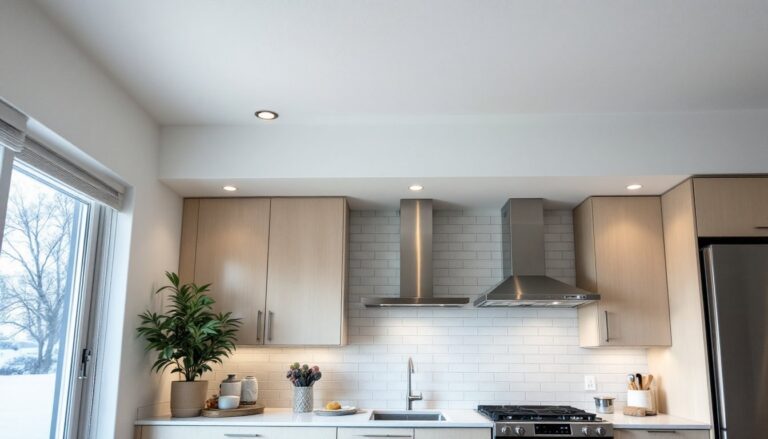
Halo 4 inch lights excel in nearly every room. In kitchens, stagger fixtures across the ceiling on 4 to 6 foot centers to create even task lighting over counters and islands. Pair them with a dimmable bulb and switch for flexible ambiance during cooking or entertaining.
Living rooms benefit from a softer approach. Space fixtures in a grid pattern (perhaps one per 50 to 80 square feet of ceiling) and select baffle trims to minimize glare. Dimming capability transforms the space from bright movie watching to relaxing evening lounging. Bedrooms follow a similar philosophy: use fewer, more widely spaced fixtures with warm-tone LED bulbs (2700K color temperature) and install a wall dimmer.
Bathrooms and hallways see 4 inch lights used for both ambient and task lighting. Position fixtures above mirrors or vanities for shaving and makeup tasks, and add additional ambient fixtures on the main ceiling. Recessed lighting works especially well in bathrooms because moisture-rated trims prevent rust and corrosion.
Home offices and studies benefit from direct overhead fixtures combined with baffle trims to reduce screen glare. Adjustable fixtures angled at artwork or bookshelves add visual interest without the clutter of track or pendant lights. Design inspiration sites like Houzz showcase thousands of recessed lighting layouts by room type and aesthetic, browse them to visualize your own space.
Maintenance and Troubleshooting Tips
LED-compatible Halo fixtures are nearly maintenance-free compared to older incandescent versions. Replace bulbs only when they fail (every 15–25 years for quality LEDs), and wipe trim rings with a dry cloth annually to remove dust and restore clarity.
If a fixture flickers, check the bulb first, it may be incompatible or loose. Replace it with a manufacturer-recommended LED model and reinstall firmly. If flickering persists, inspect the wire connections inside the fixture. Turn off power, gently pull out the fixture (retrofit cans release easily), and reseat all wire connectors. A loose connection is often the culprit.
If a light won’t turn on, verify the circuit breaker hasn’t tripped. Flip the breaker off and back on. Still dark? The bulb may have failed: swap it with a known-working bulb from another fixture. If that doesn’t help, test the wall switch with a voltage tester. No power at the switch? The circuit itself may be faulty, call an electrician.
Heat buildup is rare with LED bulbs, but verify your fixtures are IC-rated if installed near insulation. Non-IC fixtures installed incorrectly in insulated ceilings can overheat and pose fire risk. Home improvement reviews on Bob Vila regularly highlight lighting product durability and long-term performance, a helpful resource when choosing bulbs or deciding whether to upgrade older fixtures.
Finally, keep trim rings clear of insulation and debris. If you notice yellowing or discoloration on the trim after years of use, it often indicates heat damage. Upgrade to an IC-rated fixture if replacing, and ensure proper clearance.
Conclusion
Halo 4 inch recessed lights deliver modern aesthetics, energy efficiency, and design flexibility at a cost that makes upgrading your home’s lighting realistic. Whether you’re installing a few fixtures or lighting an entire room, the fundamentals remain straightforward: careful planning, proper tools, safe electrical work, and attention to trim and bulb selection. Start with one room, master the installation process, and expand from there. With LED longevity and low energy draw, your investment pays dividends for decades.